When it comes to expanding your home, the primary concern is often maintaining space efficiency. You want to ensure that the additional space you create does not feel cramped or poorly utilized. This section provides a comprehensive guide on how to achieve a successful home expansion while preserving the functionality and comfort of your living space.
Assessing Your Space and Needs
Identifying Key Areas for Expansion
Detailed assessment of your current living space is crucial to determining which areas require expansion. Consider the flow of traffic, the functionality of each room, and how you utilize the space. This analysis will help you pinpoint areas that can be optimized or expanded to improve overall space efficiency.
Setting Clear Objectives for Your Expansion
Defining your objectives is vital. Are you looking to create more storage, add an extra bedroom, or perhaps expand your outdoor living area? Setting clear goals will guide your expansion plans, ensuring that the final result meets your needs and enhances your quality of life.
Designing Your Expansion
Incorporating Sustainable and Functional Elements
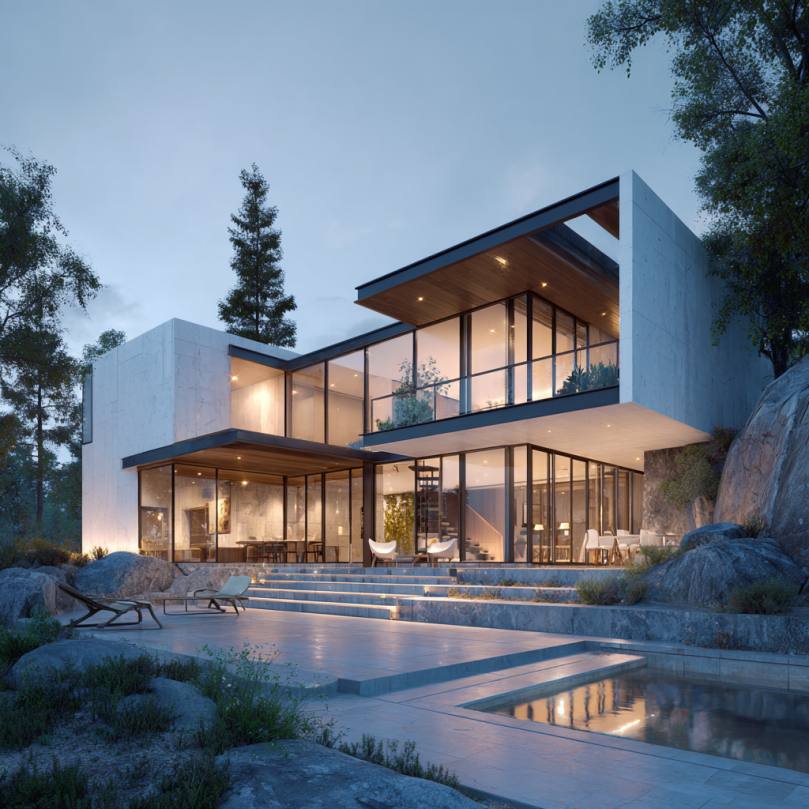
When designing your expansion, it’s essential to incorporate elements that are not only aesthetically pleasing but also sustainable and functional. This could include the use of natural light, energy-efficient materials, and smart storage solutions to maximize your space.
Practical Steps to Follow
- Step 1: Conduct a thorough assessment of your property to identify potential areas for expansion, considering factors like sunlight, wind direction, and neighborhood regulations.
- Step 2: Develop a detailed design plan, incorporating your objectives, budget, and sustainability goals.
- Step 3: Obtain necessary permits and approvals from local authorities before commencing construction.
- Step 4: Hire a professional contractor or builder who specializes in home expansions and has a good track record of delivering projects on time and within budget.
- Step 5: Implement a project management plan to oversee the construction process, ensuring it stays on schedule and meets your quality standards.
- Step 6: Conduct a final inspection upon completion to ensure all work meets your expectations and address any necessary adjustments.
Key Data and Statistics
| Indicator | Value / Result | Interpretation |
|---|---|---|
| Average Return on Investment (ROI) for Home Expansions | 70-80% | Indicates a significant potential for increased property value. |
| Percentage of Homeowners Considering Sustainability in Expansion Plans | 85% | Highlights the growing importance of eco-friendly considerations in home renovations. |
| Average Increase in Property Value After a Successful Expansion | 10-15% | Suggests a notable boost in property value following a well-planned expansion. |
| Most Popular Types of Home Expansions | Bedroom and Bathroom Additions | Reflects the common desire for more living and personal space. |
| Recommended Budget Allocation for Professional Fees | 10-15% of Total Project Cost | Guides homeowners in planning their budget effectively. |
For more detailed information on sustainable building practices, you can visit the United States Environmental Protection Agency (EPA) website. Additionally, the U.S. Department of Energy offers valuable insights into energy efficiency in home constructions. If you’re looking for internal resources, consider checking out our pages on Home Renovation Tips and Sustainable Building Materials for more guidance on your home expansion project.
Practical tips
Tip 1: Optimizing Existing Space
How to put it into practice
When looking to expand your home without losing space efficiency, it’s essential to start by optimizing the space you already have. This involves assessing your current layout and identifying areas where space can be used more efficiently. Consider removing unnecessary walls, installing shelves, and utilizing multi-functional furniture to create a more open and airy feel.
- Start by decluttering and organizing your belongings to free up space
- Consider investing in storage solutions such as under-bed storage or closet organizers
- Use vertical space by installing shelves or storage units that go up to the ceiling
- Invest in multi-functional furniture, such as a storage ottoman or a desk with built-in storage
Tip 2: Expanding Vertically
Maximizing Your Home’s Height
Expanding your home vertically can be a great way to add space without sacrificing your yard or outdoor living area. Consider adding a second story or finishing your attic to create additional living space. This can be a cost-effective way to add square footage to your home without having to worry about zoning regulations or property line issues.
Tip 3: Utilizing Outdoor Space
Don’t forget to consider your outdoor space when looking to expand your home. Adding a deck, patio, or outdoor kitchen can provide additional living space and create a seamless transition between indoors and outdoors. This can be especially beneficial for those who enjoy entertaining or spending time outdoors.
Pros and cons
| ✅ Pros | ⚠️ Cons |
|---|---|
| Increased living space and comfort | High upfront costs for construction and materials |
| Improved property value and resale potential | Disruption to daily life during construction process |
| Enhanced outdoor living and entertainment space | Potential for zoning or regulatory issues |
| Customization options to fit your lifestyle and needs | Environmental impact of construction materials and process |
| Energy efficiency and cost savings with smart design | Maintenance and upkeep requirements for new additions |
Useful resources
- Back to the complete guide
- External reference source: US Department of Energy Home Improvement Guide
Frequently Asked Questions (FAQ)
What are the benefits of expanding my home without losing space efficiency?
Expanding your home without losing space efficiency can increase the value of your property, improve your quality of life, and provide more space for your family to grow. By incorporating space-saving design elements and construction techniques, you can create a more functional and comfortable living space. This approach to home expansion also allows you to maximize your existing footprint, reducing the need for costly land acquisition or relocation.
How can I determine the best way to expand my home without wasting space?
To determine the best way to expand your home without wasting space, it’s essential to assess your current layout, identify areas of inefficiency, and consider your lifestyle and needs. You can work with an architect or designer to create a customized expansion plan that incorporates space-saving strategies, such as multi-functional rooms, vertical storage, and clever use of natural light. By taking a thoughtful and intentional approach to home expansion, you can create a more efficient and functional living space.
What are some common mistakes to avoid when expanding my home?
Common mistakes to avoid when expanding your home include failing to consider the impact on your home’s overall aesthetic, neglecting to assess the structural integrity of your property, and not obtaining necessary permits and approvals. Additionally, it’s crucial to avoid over-expanding, which can lead to a loss of outdoor space, increased energy consumption, and decreased property value. By being mindful of these potential pitfalls, you can ensure a successful and stress-free home expansion experience.
How can I ensure that my home expansion is energy-efficient and sustainable?
To ensure that your home expansion is energy-efficient and sustainable, consider incorporating eco-friendly materials, such as reclaimed wood, low-VOC paints, and energy-efficient windows. You can also invest in renewable energy systems, like solar panels or a green roof, to reduce your reliance on non-renewable energy sources. Additionally, be sure to optimize your home’s insulation, ventilation, and lighting to minimize energy consumption and reduce your carbon footprint.
What are the most important factors to consider when hiring a contractor for my home expansion project?
When hiring a contractor for your home expansion project, it’s essential to consider factors such as their experience, reputation, and licensure. You should also assess their communication style, attention to detail, and ability to work within your budget and timeline. Be sure to request references, review their portfolio, and verify their insurance coverage to ensure that you’re working with a qualified and reliable professional.
How long does a typical home expansion project take to complete?
The duration of a home expansion project can vary significantly depending on the scope of work, complexity of design, and availability of materials and labor. On average, a home expansion project can take anywhere from several weeks to several months to complete, with some projects requiring up to a year or more to finish. It’s essential to work closely with your contractor to establish a realistic timeline and milestones, ensuring that your project stays on track and meets your expectations.