
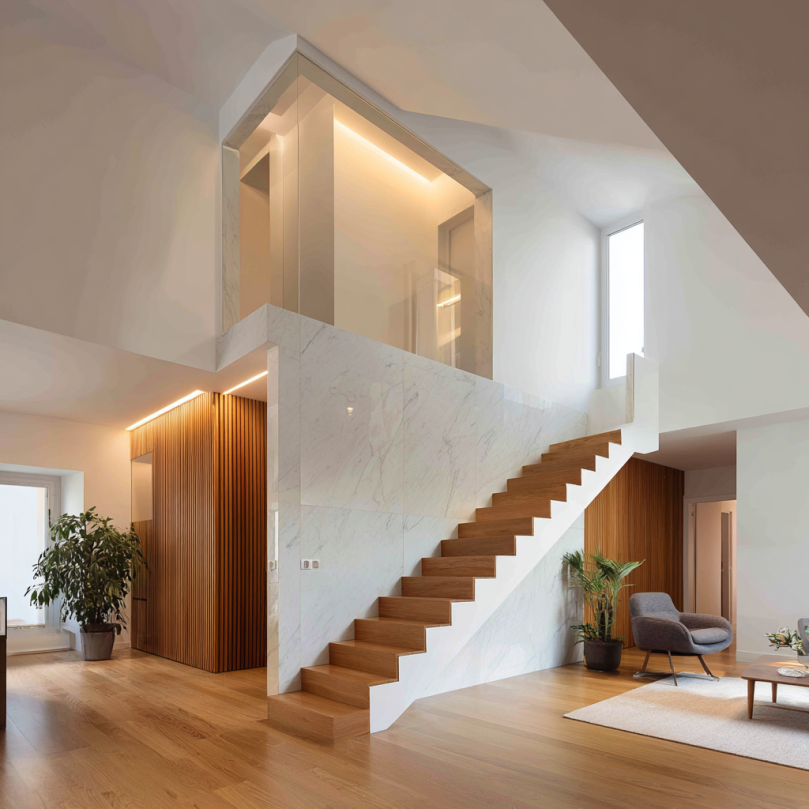
Raising the value of a property through renovation involves a strategic approach, considering both aesthetic appeal and functional improvements. You should focus on enhancing the features that potential buyers or renters find most attractive, thereby increasing the property’s appeal and, consequently, its value. This guide will walk you through the key aspects and steps to achieve this goal.
Assessing the Property
Identifying Areas for Improvement
Before embarking on any renovation, it is crucial to assess the property thoroughly. This involves identifying areas that are in need of repair or improvement. Consider factors such as the condition of the walls, flooring, plumbing, and electrical systems. Additionally, look at the layout and how it can be optimized for better functionality and flow.
Setting Renovation Goals
Based on your assessment, set clear goals for what you want to achieve with your renovation. This could be anything from increasing the natural light in the house to expanding the living space. Having a clear vision will help guide your renovation decisions and ensure that your efforts are focused and effective.
Design and Planning
Creating a Renovation Plan
A well-thought-out plan is essential for a successful renovation. This plan should include detailed designs, a timeline, and a budget. It’s also important to consider any necessary permits and approvals that you may need to obtain before starting the work.
Execution of the Renovation
The execution phase involves bringing your plan to life. This is where you start making the physical changes to the property. It’s crucial to work with professionals who can ensure that the work is done to a high standard and that any issues are addressed promptly.
Practical steps to follow
- Step 1: Conduct a thorough assessment of the property to identify areas that need renovation.
- Step 2: Develop a detailed renovation plan, including designs, timelines, and budgets.
- Step 3: Obtain any necessary permits and approvals before commencing work.
- Step 4: Hire professional contractors who can deliver high-quality work.
- Step 5: Implement a project management system to monitor progress and address any issues that arise.
- Step 6: Finalize the renovation with a thorough inspection to ensure all work meets your standards.
Key data and statistics
| Indicator | Value / Result | Interpretation |
|---|---|---|
| Average Return on Investment (ROI) for Kitchen Renovations | 80-100% | This indicates that for every dollar spent on a kitchen renovation, you can expect to recoup between 80 to 100 cents of its value when selling the property. |
| Average Increase in Property Value from Bathroom Renovations | 3-5% | Bathroom renovations can increase the property value by a margin of 3 to 5 percent, depending on the quality and extent of the renovation. |
| Impact of Exterior Painting on Property Value | 5-10% Increase | A fresh exterior paint job can significantly boost the property’s curb appeal, leading to an increase in its value. |
| ROI for Adding a Deck or Patio | 60-80% | Outdoor living spaces are highly valued by potential buyers, offering a moderate to high return on investment. |
| Average Cost of a Full Home Renovation | $40,000 to $200,000+ | The cost can vary widely depending on the size of the property, the materials used, and the extent of the renovation. |
For more detailed information on property renovation and its impact on property value, you can visit HUD.gov or consult the Wikipedia page on Home Renovation. Additionally, internal resources such as renovation planning guides and property value assessment tools can provide valuable insights and practical advice.
Practical tips
Tip 1: Focus on High-Impact Areas
How to put it into practice
When it comes to increasing property value through renovation, it is essential to focus on high-impact areas such as the kitchen and bathroom. These areas are not only crucial for potential buyers, but they also provide a high return on investment. To put this into practice, vous should consider updating outdated fixtures, installing new appliances, and renovating the layout to create a more functional and modern space.
- Update lighting fixtures to create a brighter and more welcoming atmosphere
- Install new countertops and cabinets to enhance the overall aesthetic
- Replace outdated appliances with energy-efficient models
- Consider hiring a professional to ensure a high-quality renovation
Tip 2: Improve Energy Efficiency
Reducing Energy Consumption
Improving energy efficiency is not only beneficial for the environment, but it can also increase property value. Vous can start by sealing air leaks, installing insulation, and upgrading to energy-efficient windows. Additionally, consider installing solar panels or a solar water heater to reduce energy consumption and lower utility bills.
Tip 3: Enhance Curb Appeal
Enhancing curb appeal is crucial for making a great first impression on potential buyers. Vous can start by maintaining a well-manicured lawn, trimming trees and shrubs, and adding outdoor lighting to create a warm and inviting atmosphere. Consider hiring a professional landscaper to ensure a high-quality exterior design.
Pros and cons
| ✅ Pros | ⚠️ Cons |
|---|---|
| Increased property value and potential for higher resale price | High upfront costs and potential financial strain |
| Improved energy efficiency and reduced utility bills | Potential disruption to daily life during renovation |
| Enhanced curb appeal and increased attractiveness to potential buyers | Risk of over-renovating and not recouping investment |
| Potential for increased rental income and attractiveness to tenants | Need for permits and compliance with local building codes |
| Improved overall quality of life and enjoyment of the property | Potential for unexpected expenses and renovation delays |
Useful resources
- Back to the complete guide
- External reference source: US Department of Housing and Urban Development
Frequently Asked Questions (FAQ)
What is the best way to increase property value through renovation?
To increase property value through renovation, it’s essential to focus on high-impact projects such as kitchen and bathroom remodels, as well as exterior renovations like siding replacement and window upgrades. These projects can significantly enhance the aesthetic appeal and functionality of your property, leading to a substantial increase in its value. By investing in these key areas, you can maximize your return on investment and boost your property’s value.
How long does a typical renovation project take to complete?
The duration of a renovation project can vary greatly depending on the scope of work, complexity, and size of the property. On average, a minor renovation can take several weeks to a few months, while a major renovation can take anywhere from 6 to 12 months or more. It’s crucial to work with a reputable contractor to establish a realistic timeline and plan accordingly.
What is the average return on investment for renovation projects?
The average return on investment for renovation projects can range from 50% to over 100%, depending on the type of project and its quality. For example, a minor kitchen remodel can recoup around 80% of its cost, while a major bathroom renovation can recoup around 60%. It’s essential to research and prioritize projects that offer the highest return on investment to maximize your renovation budget.
Do I need to obtain permits for my renovation project?
Yes, it’s essential to obtain the necessary permits for your renovation project to ensure compliance with local building codes and regulations. Failing to obtain permits can result in fines, penalties, and even project shutdowns. Your contractor should handle the permitting process, but it’s crucial to verify that all necessary permits are in place before commencing work.
How can I stay within my renovation budget?
To stay within your renovation budget, it’s vital to establish a comprehensive budget plan, prioritize your spending, and work closely with your contractor to ensure that costs are managed effectively. Consider setting aside a contingency fund to cover unexpected expenses, and be prepared to make adjustments to your scope of work if necessary.
What are the most important factors to consider when hiring a contractor for my renovation project?
When hiring a contractor for your renovation project, it’s essential to consider factors such as their experience, reputation, licensing, and insurance. You should also verify their physical address, check for online reviews, and request references from previous clients. Additionally, ensure that your contractor provides a detailed scope of work, a comprehensive budget breakdown, and a clear payment schedule to avoid any potential disputes or issues.