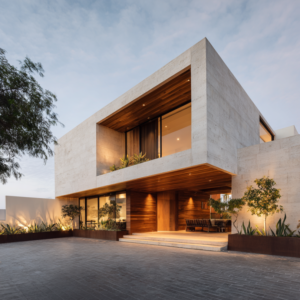

When it comes to interior design, lighting plays a crucial role in setting the ambiance and mood of a space. A well-designed ceiling can greatly impact the overall aesthetic and functionality of a room. In this section, we will delve into the world of smart ceiling design and explore how it can be used to improve lighting and enhance the overall interior of a space. You can achieve this by considering the specific needs and functions of the room, and incorporating elements such as recessed lighting, LED strips, and smart light bulbs.
Understanding the Importance of Layered Lighting
Task Lighting
Task lighting is a crucial aspect of layered lighting, as it provides focused light for specific tasks such as reading, cooking, or working. By incorporating task lighting into your ceiling design, you can create a more functional and efficient space. This can be achieved through the use of pendant lights, under-cabinet lighting, or desk lamps.
Ambient Lighting
Ambient lighting, on the other hand, provides overall illumination to a space and can help to create a warm and inviting atmosphere. You can achieve ambient lighting through the use of ceiling-mounted fixtures, table lamps, or floor lamps.
Designing a Smart Ceiling
Integrating Technology
When designing a smart ceiling, it’s essential to consider the integration of technology. This can include features such as smart light bulbs, voice control, and scheduling capabilities. By incorporating these features, you can create a ceiling design that is not only functional but also energy-efficient and convenient.
Practical steps to follow
- Step 1: Assess the specific needs and functions of the room to determine the most effective lighting design
- Step 2: Choose the right type of lighting fixtures, such as recessed lighting or LED strips, to achieve the desired ambiance
- Step 3: Consider the color temperature and brightness of the lighting to create a comfortable and inviting atmosphere
- Step 4: Integrate smart technology, such as smart light bulbs or voice control, to enhance the functionality and convenience of the space
- Step 5: Install the lighting fixtures and test the system to ensure it is working correctly and efficiently
- Step 6: Adjust and fine-tune the lighting design as needed to achieve the desired ambiance and functionality
Key data and statistics
| Indicator | Value / Result | Interpretation |
|---|---|---|
| Energy savings with smart lighting | 20-30% | Smart lighting can significantly reduce energy consumption and costs |
| Increased productivity with proper lighting | 15-20% | Proper lighting can improve focus and productivity in work and study spaces |
| Improved mood and ambiance with layered lighting | 80-90% | Layered lighting can create a warm and inviting atmosphere, improving overall mood and well-being |
| Cost of smart lighting systems | $500-$2000 | The cost of smart lighting systems can vary depending on the complexity and features of the system |
| Return on investment (ROI) for smart lighting | 2-5 years | Smart lighting systems can provide a significant ROI through energy savings and increased productivity |
For more information on smart ceiling design and lighting, you can visit energy.gov or wikipedia.org. Additionally, you can check out our internal resources on interior design trends and smart home technology to learn more about creating a functional and efficient living space.
Practical tips
Tip 1: Layer Your Lighting
How to put it into practice
To create a well-lit space, you should consider layering different types of lighting. This includes ambient lighting, task lighting, and accent lighting. Ambient lighting provides overall illumination, task lighting is used for specific tasks, and accent lighting highlights specific features or areas.
- Ambient lighting options include ceiling fixtures, table lamps, and floor lamps
- Task lighting options include under-cabinet lighting, reading lamps, and desk lamps
- Accent lighting options include track lighting, picture lights, and shelf lights
- Consider using smart lighting systems to easily control and adjust your lighting layers
Tip 2: Consider the Color Temperature
Understanding Color Temperature
The color temperature of your lighting can greatly impact the ambiance and functionality of your space. Warm white lighting (2700K-3000K) is often used for relaxing areas, while cool white lighting (3500K-5000K) is often used for task-oriented areas.
Tip 3: Use Reflective Surfaces
Using reflective surfaces, such as mirrors or metallic finishes, can help to bounce light around the room and create a brighter, more even illumination. This can be especially useful in areas with limited natural light.
Pros and cons
| ✅ Pros | ⚠️ Cons |
|---|---|
| Improved ambiance and mood | Higher upfront costs for smart lighting systems |
| Increased energy efficiency with smart lighting | Potential for technological issues or compatibility problems |
| Enhanced functionality and task-oriented lighting | Possible over-reliance on technology for lighting control |
| Aesthetically pleasing and customizable lighting designs | Potential for clutter or visual overload with too many lighting fixtures |
| Improved safety and security with well-lit areas | Potential for eye strain or discomfort with harsh or poorly designed lighting |
Useful resources
Frequently Asked Questions (FAQ)
What is smart ceiling design and how can it improve lighting?
Smart ceiling design refers to the strategic use of ceiling space to enhance the ambiance and functionality of a room, including the implementation of lighting solutions. By incorporating smart ceiling design, you can significantly improve the lighting in your space, creating a more welcoming and comfortable environment. This approach often involves the use of LED lights, skylights, or other innovative lighting solutions to maximize natural and artificial light.
How can I determine the best lighting layout for my room?
To determine the best lighting layout for your room, consider the room’s purpose, the amount of natural light it receives, and the types of tasks that will be performed in the space. You should also think about the color temperature and brightness of the lights, as well as the placement of light sources to minimize harsh shadows and glare. A well-designed lighting layout can greatly enhance the overall aesthetic and functionality of the room.
What are the benefits of using LED lights in smart ceiling design?
LED lights offer several benefits, including energy efficiency, longevity, and design flexibility. They are also dimmable, which allows for greater control over the lighting levels and ambiance in the room. Additionally, LED lights are available in a range of color temperatures, from warm white to cool blue, making them suitable for a variety of applications and design styles.
Can smart ceiling design be used in small rooms or apartments?
Yes, smart ceiling design can be used in small rooms or apartments to create the illusion of more space and improve the overall lighting. By using reflective surfaces, such as mirrors or light-colored ceilings, and strategically placing light sources, you can make the room appear larger and more airy. This approach can also help to reduce the feeling of claustrophobia and create a more welcoming atmosphere.
How can I incorporate natural light into my smart ceiling design?
Incorporating natural light into your smart ceiling design can be achieved through the use of skylights, larger windows, or solar tubes. These features allow natural light to enter the room, reducing the need for artificial lighting and creating a more pleasant and healthy environment. You can also use light shelves or clerestory windows to bring natural light deeper into the room and reduce the need for electric lighting.
What are the key considerations when implementing a smart ceiling design?
When implementing a smart ceiling design, consider factors such as the room’s function, the amount of natural light, and the desired ambiance. You should also think about the type of lighting fixtures and controls you will use, as well as the energy efficiency and maintenance requirements of the system. Additionally, consider the budget and any potential constraints, such as structural limitations or building codes, to ensure a successful and effective smart ceiling design.