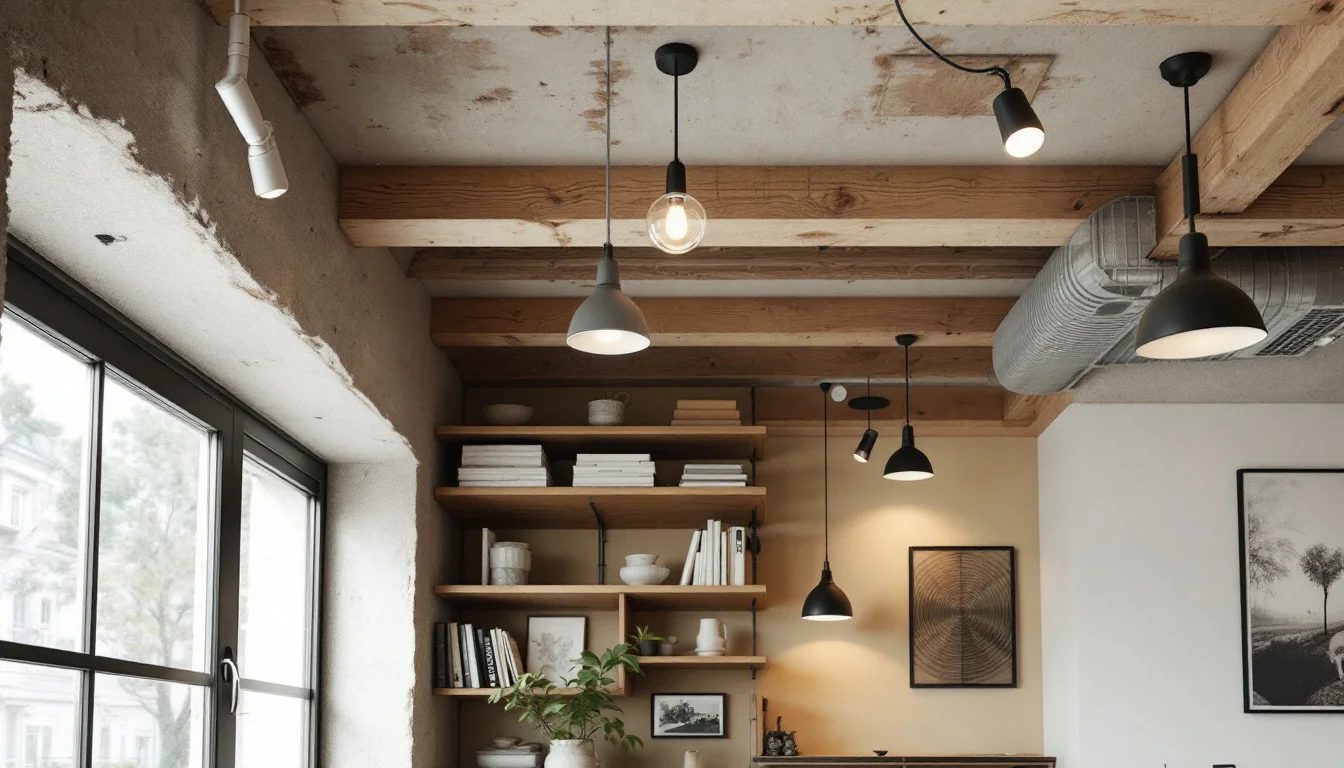
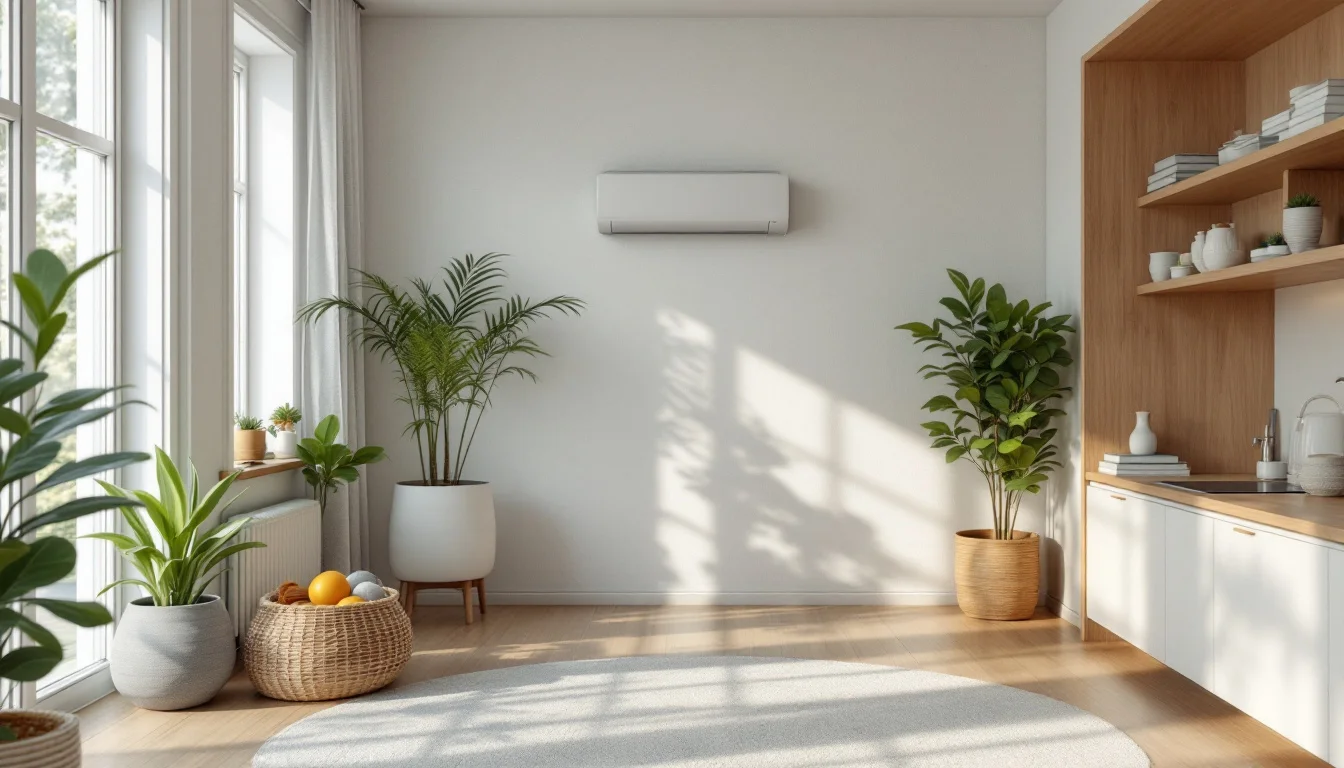
When considering home extensions, it’s essential to approach the project with a clear understanding of the process and the various factors that can impact costs. As you plan your extension, you’ll want to balance your desires with the practicalities of budgeting and construction. This guide will walk you through the key steps and considerations for achieving a cost-effective modern home extension.
Assessing Your Needs and Budget
Defining Your Requirements
Begin by defining what you need from your extension. This could be an additional bedroom, a larger kitchen, or more living space. Understanding your requirements will help you determine the scale of your project. It’s also crucial to set a realistic budget and consider how you will finance your extension, whether through savings, a loan, or other financial means.
Researching Local Regulations
Before proceeding, research local building regulations and planning laws that may affect your project. Compliance with these regulations is not only legally required but can also help avoid costly adjustments later on.
Designing Your Extension
Engaging with Architects or Designers
Working with professionals can help you create a design that is both aesthetically pleasing and functional. They can also provide valuable insights into cost-saving measures and materials.
Practical Considerations
When designing your extension, consider the orientation of your building to maximize natural light and heat. Additionally, think about the flow of your space and how it will integrate with your existing home.
Practical steps to follow
- Step 1: Assess your current space and identify areas for improvement or expansion.
- Step 2: Determine your budget and explore financing options if necessary.
- Step 3: Research local building codes and regulations.
- Step 4: Consult with architects or designers to create a preliminary design.
- Step 5: Plan for the logistics of the construction, including hiring contractors and obtaining necessary permits.
- Step 6: Execute your plan, maintaining open communication with your contractors and being prepared for any unexpected issues that may arise.
Key data and statistics
| Indicator | Value / Result | Interpretation |
|---|---|---|
| Average cost per square foot for a home extension | $100-$200 | This range can vary significantly based on materials and location. |
| Return on investment (ROI) for home extensions | 50%-100% | A well-planned extension can significantly increase your home’s value. |
| Timeframe for planning and executing a home extension | 3-12 months | The duration depends on the project’s complexity and the efficiency of the planning and construction process. |
| Importance of energy efficiency in modern home extensions | High | Energy-efficient designs can reduce long-term costs and enhance the sustainability of your home. |
| Role of professional consultants in home extension projects | Critical | Professionals can provide expert advice, ensuring your project is well-designed, compliant with regulations, and cost-effective. |
For more information on home extensions and construction, you can visit the U.S. Department of Energy for insights into energy-efficient building practices or WikiHow for practical guides on various aspects of home improvement. Additionally, consider consulting internal resources such as construction guidelines and budgeting tips for further guidance on your project.
Practical tips
Tip 1: Plan Ahead and Set a Budget
How to put it into practice
When considering a home extension, it is essential to plan ahead and set a realistic budget. This involves assessing your needs, researching different types of extensions, and consulting with architects or builders to determine the best approach for your project. By doing so, you can avoid costly mistakes and ensure that your extension is completed on time and within budget.
- Assess your property’s value and determine how much you can afford to spend on the extension
- Research different types of extensions, such as single-story or multi-story additions
- Consult with architects or builders to determine the best approach for your project
- Obtain multiple quotes from contractors to compare prices and services
Tip 2: Consider Sustainable and Energy-Efficient Options
Reducing Your Environmental Impact
When planning your home extension, it is crucial to consider sustainable and energy-efficient options. This can include installing solar panels, using recycled materials, and incorporating energy-efficient appliances and lighting. Not only can these options reduce your environmental impact, but they can also help you save money on your energy bills in the long run.
Tip 3: Choose the Right Materials and Finishes
Selecting the right materials and finishes for your home extension can make a significant difference in its overall appearance and durability. Consider using high-quality, sustainable materials that are resistant to wear and tear, and choose finishes that complement the existing style of your home.
Pros and cons
| ✅ Pros | ⚠️ Cons |
|---|---|
| Increased living space and property value | High upfront costs and potential disruptions to daily life |
| Improved energy efficiency and reduced energy bills | Potential for delays or cost overruns if not properly planned |
| Enhanced aesthetic appeal and customized design | May require significant changes to the existing structure or layout |
| Potential for increased natural light and ventilation | May require additional permits or approvals from local authorities |
| Can be tailored to meet specific needs and preferences | May require significant maintenance or upkeep over time |
Useful resources
Frequently Asked Questions (FAQ)
What are the most cost-effective ideas for modern home extensions?
When considering modern home extensions, it’s essential to prioritize cost-effective ideas that maximize space and functionality. One of the most effective ways to achieve this is by incorporating sustainable materials and energy-efficient designs, which can help reduce construction costs and minimize environmental impact. By focusing on modern home extensions, you can create a more livable and valuable space.
How can I determine the best layout for my home extension?
To determine the best layout for your home extension, consider the existing architecture and design of your home, as well as your lifestyle and needs. It’s crucial to assess the available space, natural light, and ventilation to create a functional and comfortable area. By working with an experienced architect or designer, you can develop a tailored layout that meets your requirements and enhances the overall aesthetic of your home.
What are the benefits of using eco-friendly materials in home extensions?
Using eco-friendly materials in home extensions offers numerous benefits, including reduced environmental impact, improved indoor air quality, and increased energy efficiency. Eco-friendly materials, such as reclaimed wood, bamboo, and low-VOC paints, can also enhance the aesthetic appeal of your home and increase its value. By incorporating sustainable materials into your modern home extension, you can create a healthier and more sustainable living space.
Can I build a home extension without planning permission?
In some cases, you may be able to build a home extension without planning permission, depending on the size and type of extension, as well as local regulations. However, it’s essential to consult with local authorities and ensure that your project complies with all relevant building codes and zoning laws. To avoid potential issues, it’s recommended to obtain planning permission before commencing your modern home extension project.
How long does a typical home extension project take to complete?
The duration of a home extension project can vary significantly, depending on factors such as the scope of work, complexity of design, and availability of materials. On average, a modern home extension project can take anywhere from a few weeks to several months to complete. It’s crucial to work with experienced contractors and establish a realistic timeline to ensure your project is completed efficiently and effectively.
What are the most important factors to consider when budgeting for a home extension?
When budgeting for a home extension, it’s essential to consider factors such as materials, labor costs, and potential unforeseen expenses. You should also account for permits, inspections, and other regulatory requirements. By creating a comprehensive budget and working with experienced professionals, you can ensure that your modern home extension project is completed within your means and meets your expectations.