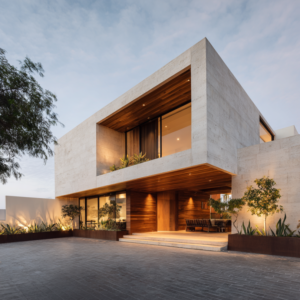

When it comes to achieving a perfect interior look, there are several factors to consider, from the color palette and lighting to the furniture and decor. As a homeowner, you want to create a space that is not only aesthetically pleasing but also functional and comfortable. In this section, we will delve into the key aspects of interior design and provide you with practical tips to help you achieve your desired look.
Understanding the Basics of Interior Design
Color Scheme and Lighting
Choosing the right color scheme and lighting can make or break the ambiance of a room. It is essential to consider the natural light available, as well as the artificial lighting options, to create a warm and inviting atmosphere. You should also think about the color palette, selecting hues that complement each other and reflect your personal style.
Scale and Proportion
Another crucial aspect of interior design is scale and proportion. You need to ensure that the furniture and decor are in harmony with the size of the room, avoiding clutter and creating a sense of balance.
Creating a Functional and Comfortable Space
Space Planning
Space planning is critical to creating a functional and comfortable space. You should consider the flow of traffic, the placement of furniture, and the use of storage solutions to maximize the available space.
Practical steps to follow
- Step 1: Assess the room’s dimensions and natural light to determine the best layout and lighting options.
- Step 2: Choose a color scheme that reflects your personal style and complements the room’s natural light.
- Step 3: Select furniture that is proportional to the room and serves a functional purpose.
- Step 4: Consider the use of textures and patterns to add depth and visual interest to the space.
- Step 5: Add decorative elements, such as artwork and accessories, to create a personalized and inviting atmosphere.
- Step 6: Finally, evaluate the space and make any necessary adjustments to achieve the perfect balance of form and function.
Key data and statistics
| Indicator | Value / Result | Interpretation |
|---|---|---|
| Average time spent on interior design | 10-20 hours | This indicates the importance of careful planning and decision-making in the interior design process. |
| Most popular interior design style | Modern minimalist | This style emphasizes simplicity, clean lines, and a limited color palette, reflecting a desire for calm and uncluttered living spaces. |
| Impact of color on mood | 60-80% influence | Color has a significant impact on our emotions and mood, making it a crucial aspect of interior design. |
| Importance of lighting | 70-90% influence | Lighting can greatly affect the ambiance and functionality of a room, making it essential to consider in the design process. |
| Average cost of interior design services | $500-$2,000 | This cost can vary widely depending on the scope of the project, the designer’s experience, and the location. |
For more information on interior design, you can visit our interior design tips page or check out the design inspiration section. Additionally, you can consult reliable sources such as the Wikipedia page on interior design or the National Institute of Health website for information on the impact of design on mental health.
Practical tips
Tip 1: Create a Focal Point
How to put it into practice
When designing your interior space, it is essential to create a focal point that draws the eye and sets the tone for the entire room. This can be achieved by using a statement piece of furniture, a bold color, or a unique architectural feature. To create a focal point, start by identifying the room’s most striking feature, and then use lighting, texture, and color to draw attention to it.
- Use a statement piece of furniture, such as a bold-colored sofa or a unique coffee table
- Employ lighting to highlight the focal point, such as a floor lamp or a table lamp
- Add texture and pattern to the room through rugs, throw pillows, and blankets
- Balance the room by distributing visual weight and creating a sense of harmony
Tip 2: Select a Unifying Color Scheme
Choosing the Right Colors
Choosing a unifying color scheme is crucial for creating a cohesive and harmonious interior look. When selecting colors, consider the natural light, furniture, and architectural features of the room. You can use online color picker tools or consult with a professional to find the perfect palette for your space.
Tip 3: Add Texture and Pattern
Adding texture and pattern to your interior space can add depth, visual interest, and personality to the room. Mix different textures, such as wood, metal, and glass, and combine patterns, like stripes and florals, to create a unique and inviting atmosphere.
Pros and cons
| ✅ Pros | ⚠️ Cons |
|---|---|
| Improved aesthetic appeal and increased property value | Potential for high costs and time-consuming process |
| Enhanced functionality and comfort | Risk of making mistakes and requiring costly corrections |
| Increased sense of pride and satisfaction with your living space | Need for ongoing maintenance and upkeep to preserve the interior look |
| Opportunity to express personal style and creativity | Potential for trends to go out of style, requiring updates and changes |
| Improved mental and emotional well-being through a well-designed interior space | Challenge of finding the right balance between form and function |
Useful resources
Frequently Asked Questions (FAQ)
What are the key elements to achieve a perfect interior look?
To achieve a perfect interior look, it is essential to consider the balance of color, texture, and lighting, as well as the overall style and theme of the space, incorporating professional finishing tips to elevate the aesthetic of your interiors.
How can I choose the right color scheme for my interior?
Choosing the right color scheme involves considering the natural lighting, furniture, and decor of the space, and selecting colors that complement each other and create a cohesive look, which is a crucial aspect of professional finishing tips for a perfect interior look.
What is the importance of lighting in interior design?
Lighting plays a significant role in interior design, as it can greatly impact the ambiance and mood of a space, and proper lighting can enhance the beauty of your interiors, making it a vital aspect of professional finishing tips to consider when designing your space.
How can I add texture to my interior space?
Adding texture to your interior space can be achieved through the use of various materials, such as wood, stone, and fabric, and incorporating different patterns and textures through rugs, throw pillows, and wall decor, which is an essential professional finishing tip for adding depth and visual interest to your interiors.
What are some common mistakes to avoid when designing my interior space?
Common mistakes to avoid when designing your interior space include not considering the scale of furniture, neglecting to balance color and texture, and failing to create a cohesive look, which can be avoided by following professional finishing tips and seeking inspiration from interior design experts.
How can I maintain my interior space to keep it looking its best?
Maintaining your interior space involves regular cleaning and dusting, rearranging furniture and decor to create a fresh look, and making updates and adjustments as needed to keep your space looking its best, which is an important aspect of professional finishing tips for a perfect interior look that lasts.